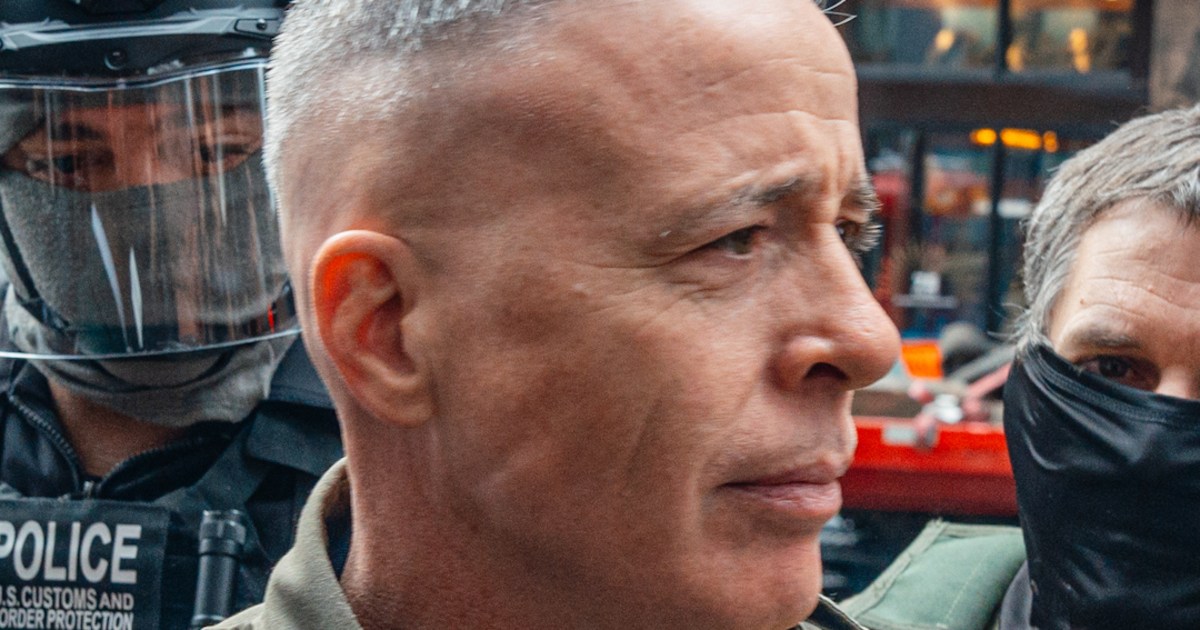

A Border Patrol commander directs day-to-day enforcement while leading broader efforts to secure the border, manage humanitarian needs, and coordinate with partner agencies. The commander sets operational priorities for assigned sectors, allocates personnel and resources, plans tactical deployments, and ensures agents act in compliance with federal law and agency policy.
Operational oversight
The commander shapes patrol strategies to counter irregular migration, drug smuggling, human trafficking and other cross-border crimes. This work includes determining where to position agents and deploy technology—surveillance cameras, sensors, aircraft and drones—based on intelligence, migration patterns and risk assessments. Tactical decisions seek to maximize interdiction success while protecting officer safety and adhering to legal limits.
Coordination and partnerships
Effective border operations depend on close collaboration with CBP leadership, U.S. Immigration and Customs Enforcement, the Department of Homeland Security, federal prosecutors, state and local law enforcement, and international counterparts when relevant. Commanders also liaise with humanitarian organizations and NGOs to coordinate migrant care, lawful processing and referrals to social services or legal assistance.
Humanitarian and legal obligations
Operations are carried out within a complex legal framework that governs apprehension, detention, processing and removal. A commander is responsible for ensuring agents respect constitutional protections, agency policies and court rulings while responding to changing migrant flows. Planning integrates humanitarian concerns—medical care, child welfare, and access to counsel—to reduce risk and meet legal and ethical obligations.
Resource and personnel management
Maintaining adequate staffing, training and morale is a central duty. Commanders oversee training in use-of-force rules, search-and-rescue techniques, de-escalation, cultural competence and legal procedures. Resource oversight includes managing vehicle fleets, detention capacity and logistics for sustained operations, particularly during surges or emergency incidents.
Intelligence and information sharing
Operational decisions are informed by intelligence about smugglers’ tactics, routes and networks. The commander promotes information sharing within CBP and with partner agencies to target high-risk activity while delegating routine enforcement to sector and station leadership.
Public communication and accountability
Commanders often serve as points of contact for community leaders and the media, explaining operational actions and addressing public safety concerns. Transparency, thorough documentation and cooperation with oversight bodies help maintain public trust and meet accountability requirements.
Adapting to changing challenges
Border conditions shift with migration trends, policy changes, international events and evolving criminal methods. Commanders must regularly reassess strategies, adopt new technologies and adjust operations to address immediate incidents and pursue longer-term goals.
Balancing security with compassion
Successful leadership balances enforcement priorities with humane, lawful treatment of migrants. Emphasis on legal compliance, interagency collaboration and operational flexibility is essential to protect the border while safeguarding human life and rights.