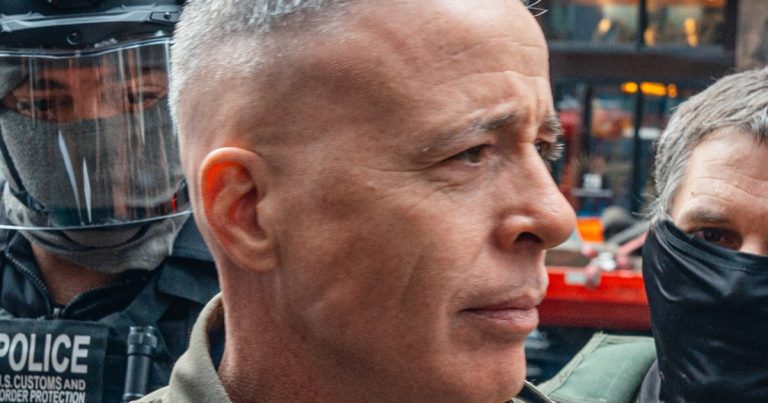
Prince Reza Pahlavi, the exiled son of Iran’s last shah, told 60 Minutes he believes the Islamic Republic is collapsing and that now could be the moment for the Iranian people to secure a democratic transition.
Background and mood
Pahlavi, 65, who left Iran in 1979 and has lived most of his life in exile, spoke from Paris. He said recent dramatic events — including reports of the supreme leader’s death and wide public unrest — produced a sense of “elation” among many Iranians who see an opening to remove what he called a “monstrous” regime. He described mass protests earlier in the year and said the regime’s response — which he and others have labeled a massacre — left deep shame and anger inside Iran. In the interview he cited reports that “an estimated 20,000” citizens were killed in a crackdown, and emphasized Iranians’ readiness to return to the streets despite security risks.
Role and leadership
Asked whether he wants to be king again, Pahlavi said he would not seek to be monarch or run for a future presidency. He said people trust him “as a transitional leader” to shepherd a move from theocratic rule to a system where Iranians can freely choose their leaders. His stated mission is to bring the country to a point where a free and democratic process can determine Iran’s future.
Vision for a new Iran
Pahlavi set out four principles he says should guide a post‑regime transition:
– Territorial integrity for Iran.
– Clear separation of religion and state, which he called a prerequisite for democracy and a rejection of religious dictatorship.
– Equality under the law and protection of individual liberties.
– A democratic process allowing citizens to choose their governing system.
On foreign policy and security
Pahlavi said Iran should dismantle any military effort to weaponize its nuclear program, arguing Iran has no need for nuclear weapons. He also expressed a desire for peaceful relations and strategic partnership with Israel, noting historical instances of Iran offering refuge to Jews during World War II and saying cooperation would be strategically important.
Justice and reconciliation
He said members of the security forces and military who refuse to continue enforcing repression could be offered amnesty as part of a national reconciliation, while also urging those forces to decide whether to side with the people or the regime.
Relations with the U.S.
Pahlavi acknowledged contact with U.S. officials, including members of Congress, and he thanked then‑President Trump for what he described as interventions he believes changed the situation for Iran. He said foreign endorsement is not what he seeks most; rather, he says millions of Iranians inside and outside Iran are calling his name and consider him able to act as a bridge to democratic choice.
Legacy and rebuttals
Pahlavi addressed criticisms tied to his father, Mohammad Reza Pahlavi, whose rule before 1979 is associated with repression and opulence. He said his father left Iran voluntarily to avoid bloodshed and that many Iranians today — including those who were imprisoned under the shah — now support a transitional role for him because he is not associated with the current regime.
Appeal to Iranians
Pahlavi concluded with an appeal to Iranians: he urged them to move from hoping for change to believing it is achievable, to have faith in their capacity to secure a democratic future, and to prepare for the moment they can act collectively for liberation.