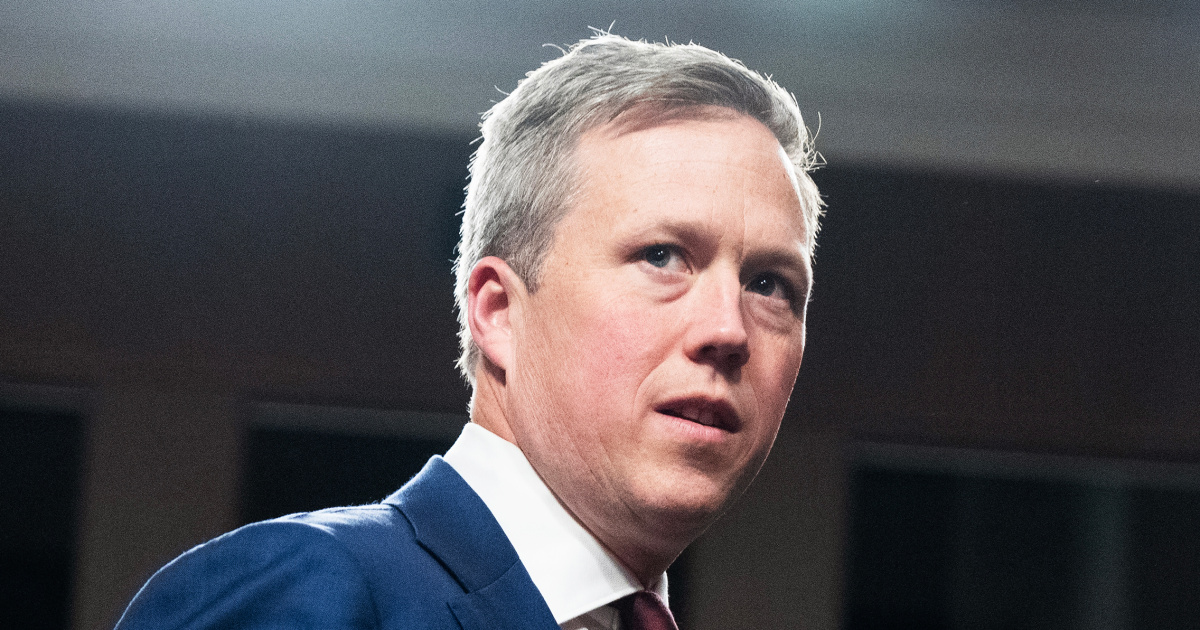

During a visit to Kyiv last week, U.S. Army Secretary Dan Driscoll told Ukrainian officials their forces faced a perilous battlefield situation and could be at risk of imminent defeat, two sources told NBC News. Driscoll warned that Russia had intensified air strikes, possessed the capacity to sustain prolonged combat, and that Ukraine’s position could worsen over time — suggesting that negotiating a peace deal now might be preferable to accepting a weaker settlement later.
U.S. officials also told Kyiv that American defense industry production could not maintain weapons and air-defense shipments at the tempo Ukraine would need to reliably protect its infrastructure and population, the sources said.
At the meeting, Driscoll presented a U.S.-backed peace proposal that Ukrainian officials viewed as conceding to many of Moscow’s demands, according to the sources. One participant summarized the message as: Ukraine was losing and should consider accepting the deal. Kyiv declined to sign the plan in its original form, and the proposal has been substantially revised since the Kyiv discussions.
The episode highlighted a widening split inside the Trump administration over how to end the war — a division that has taken on political significance as possible 2028 presidential contenders stake out positions. One faction, tied to Vice President J.D. Vance and special envoy Steve Witkoff, sees Ukraine as an obstacle to peace and favors using U.S. leverage to press Kyiv toward major concessions. Another camp, associated with Secretary of State Marco Rubio and his supporters, holds Russia responsible for the invasion and argues Moscow must be compelled to pay a price through sanctions and diplomatic pressure.
President Donald Trump has shifted between approaches as aides, Republican lawmakers and European leaders have sought to shape policy. The White House directed reporters to a Trump social media post saying the original plan had been “fine-tuned” with input from both sides and that he hoped to meet Presidents Zelenskyy and Putin when an agreement was final. A State Department spokesperson said the administration — including Rubio, Witkoff and Driscoll — was coordinating efforts to end the war.
Diplomatic activity surged after a purported 28-point U.S. plan was leaked. Sources said the draft surfaced following talks in Miami between Putin’s envoy Kirill Dmitriev and U.S. envoy Witkoff. The early draft echoed repeated Russian demands: that Ukraine cede territory, downsize its military, abandon NATO aspirations, and included provisions some read as restricting U.S. forces in Poland. Several U.S. senators said Rubio had characterized the document as essentially a Russian wish list; Rubio later disputed that account. The White House framed the draft as a U.S. proposal shaped by input from both Moscow and Kyiv.
In an uncommon move, the White House dispatched Driscoll — not a senior diplomat — to brief Ukrainian leaders. Driscoll, a former Yale Law classmate of Vance, had been scheduled to discuss drone technology but ended up delivering the broader assessment. Ukrainian President Volodymyr Zelenskyy, reportedly surprised by the original terms, voiced serious reservations but did not cancel talks and said Ukraine remained open to diplomacy.
After the leak, Rubio flew to Geneva. Meetings with Ukrainian officials and appeals from European diplomats led to the removal or revision of some of the most contentious provisions. Rubio described the proposal as a “living, breathing document” that was evolving with daily feedback. By the following Tuesday, Kyiv signaled guarded optimism about a trimmed 19-point plan under discussion; Rustem Umerov, secretary of Ukraine’s national security and defense council, said delegations had reached common ground on core terms and even floated a possible Zelenskyy visit to Washington to finalize an agreement.
Driscoll later traveled to Abu Dhabi and met with a Russian delegation. After revisions, elements of the plan began to resemble proposals Russia has historically rejected. Russian Foreign Minister Sergey Lavrov, who initially had welcomed the draft, warned the Kremlin might now reject the revised text, saying it appeared to contradict an understanding he said was reached between Trump and Putin in Anchorage, Alaska. Lavrov cautioned that changing the spirit of prior talks would alter the negotiation process.
Western officials and former diplomats said the episode reflects a recurring pattern in U.S. diplomacy: one group inside the administration advancing proposals viewed as favorable to Moscow while others, backed by European governments and senior Republicans, push back. William Taylor, a former U.S. ambassador to Ukraine, warned that a lasting internal split would complicate efforts to pursue a coherent policy.
The White House, State Department and Ukrainian embassy offered only limited public comment beyond broad statements about ongoing negotiations and coordination. The peace plan remains under discussion as U.S., Ukrainian, Russian and European actors continue diplomacy amid sharp disagreements over terms and strategy.
Reporting by Dan De Luce, Courtney Kube and Abigail Williams; contributions from Gordon Lubold and Peter Nicholas.