
Capitol Hill's New Landscape After Midterms
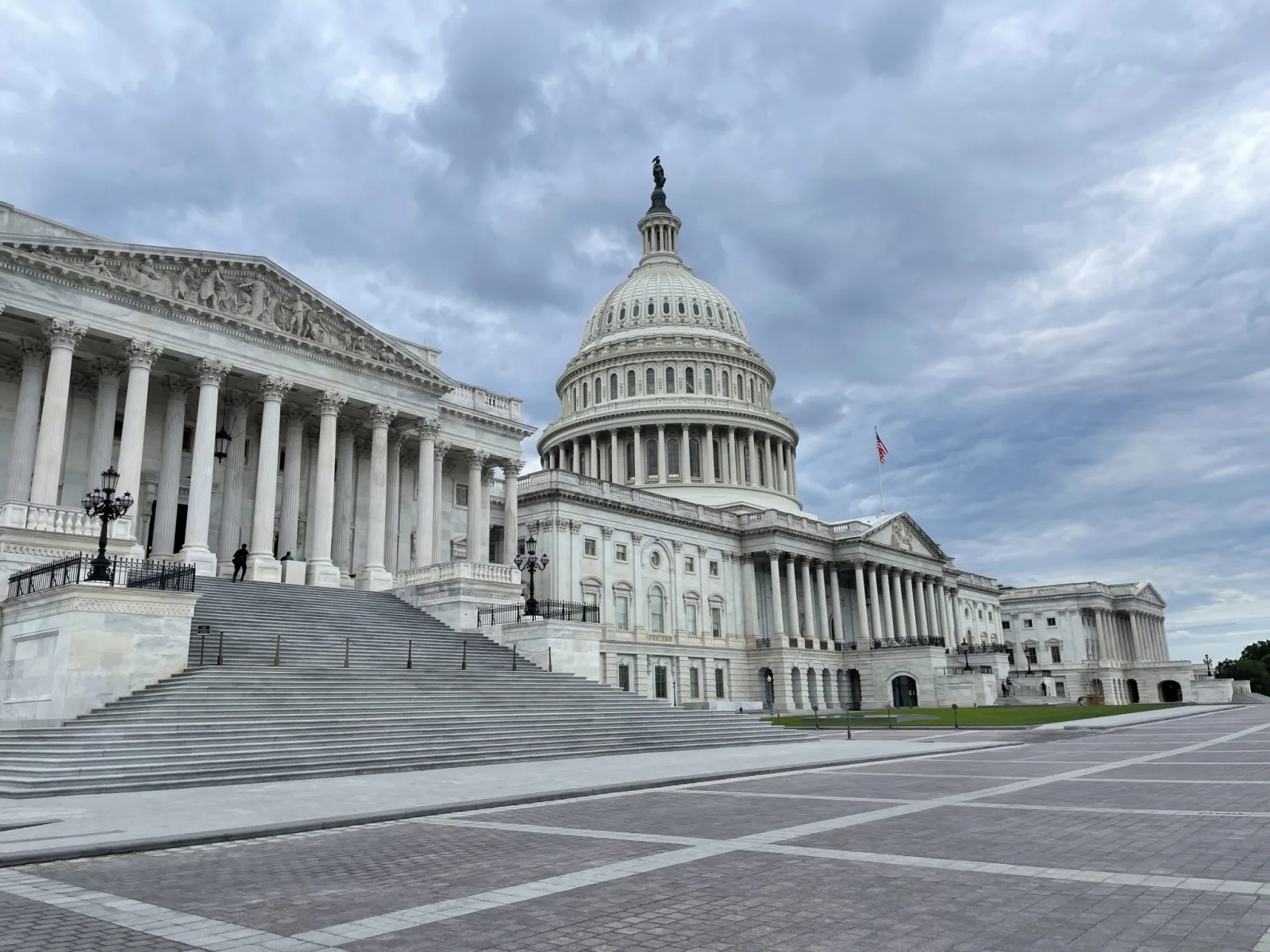
A changing political atmosphere emerges as Congress returns post-midterms, with Democrats gaining momentum and Republicans reflecting on losses.
Capitol Hill Reconvenes
As Congress resumes its work in Washington, a noticeable shift can be felt in the air. The midterm elections have reshaped the political landscape, leaving many Republicans grappling with the aftermath of a significant defeat. Meanwhile, Democrats are invigorated by their gains, ready to use their newfound influence.
Democratic Momentum
The recent electoral victories have inspired Democrats, enabling them to claim ground in areas previously dominated by Republicans. This change is driven largely by voter discontent with the previous administration, fostering a sense of empowerment among Democratic lawmakers.
Key Democratic objectives will take center stage as Congress tackles pressing legislative matters, potentially radicalizing their approach. Senator Michael Bennet (D-Colo.) has called for a halt to funding military engagements, demanding that Congress refrains from providing additional funding to President Trump's initiatives in Iran. He emphasized in a recent letter, "We must refuse to invoke cloture on any package that includes another cent for his war." This illustrates a broader call among Democrats for accountability and change in foreign policy priorities.
Republicans' Reflection
As they return to session, many Republicans often ponder the implications of their electoral losses. A sizeable task list awaits them, as they maneuver through the complexities of a divided government and face challenges such as:
- Passing a funding bill to avert a government shutdown ahead of the December 11 deadline.
- Finalizing the annual National Defense Authorization Act.
- Addressing the farm bill, which includes agricultural and food assistance policy.
- Determining the future of FISA Section 702 regarding warrantless surveillance.
- Navigating ongoing discussions related to permitting reforms to facilitate construction projects.
- Reviewing President Trump’s nominee confirmations in the Senate.
- Contemplating a House resolution to impeach Defense Secretary Pete Hegseth, introduced by Rep. Thomas Massie (R-Ky).
Internally, a faction of Republicans is advocating for a delayed leadership election amidst discussions about the party's future. Current leaders, like John Thune of South Dakota and John Barrasso of Wyoming, are expected to remain, but several senators, including David McCormick (R-Pa.), have called for reflection on recent electoral outcomes. McCormick emphasized, "We need to discuss what went wrong, how we fix it, and what we stand for moving forward." Many Republican leaders are keen to analyze the lessons from their recent losses, even as there is reluctance to place blame on Trump.
Gains Among Former Trump Voters
The dynamics of voter alignment have shifted significantly, with many traditional Trump supporters crossing over to Democrats during the midterms. Analysis of exit polls indicates that economic frustrations and concerns about democratic integrity spurred this transformation. In states like Georgia and Texas, a notable percentage of voters who previously supported Trump chose Democratic candidates. For instance, roughly 13% of Trump voters in Georgia backed Democratic Senator Jon Ossoff, while James Talarico in Texas and Mark Warner in Virginia secured around 11% of Trump’s backing.
This trend reflects a broader pattern, as on a national scale, approximately 7% of former Trump supporters opted for Democratic candidates in House races, while only 2% of those who supported Kamala Harris drifted toward Republican candidates.
Looking Ahead
With Congress back in session, all eyes are on how both parties will respond to the current political climate. The upcoming weeks will be crucial for Democrats, who will take control of both houses by January 3. Their ability to navigate legislation effectively could set the tone for the coming years.
In conclusion, while Democrats celebrate their recent successes, Republicans reflect on their losses, setting the stage for a potentially tumultuous but pivotal session as Congress seeks to address the pressing issues facing the nation.