
MapQuest Introduces Surveillance Layer to Track Flock Cameras
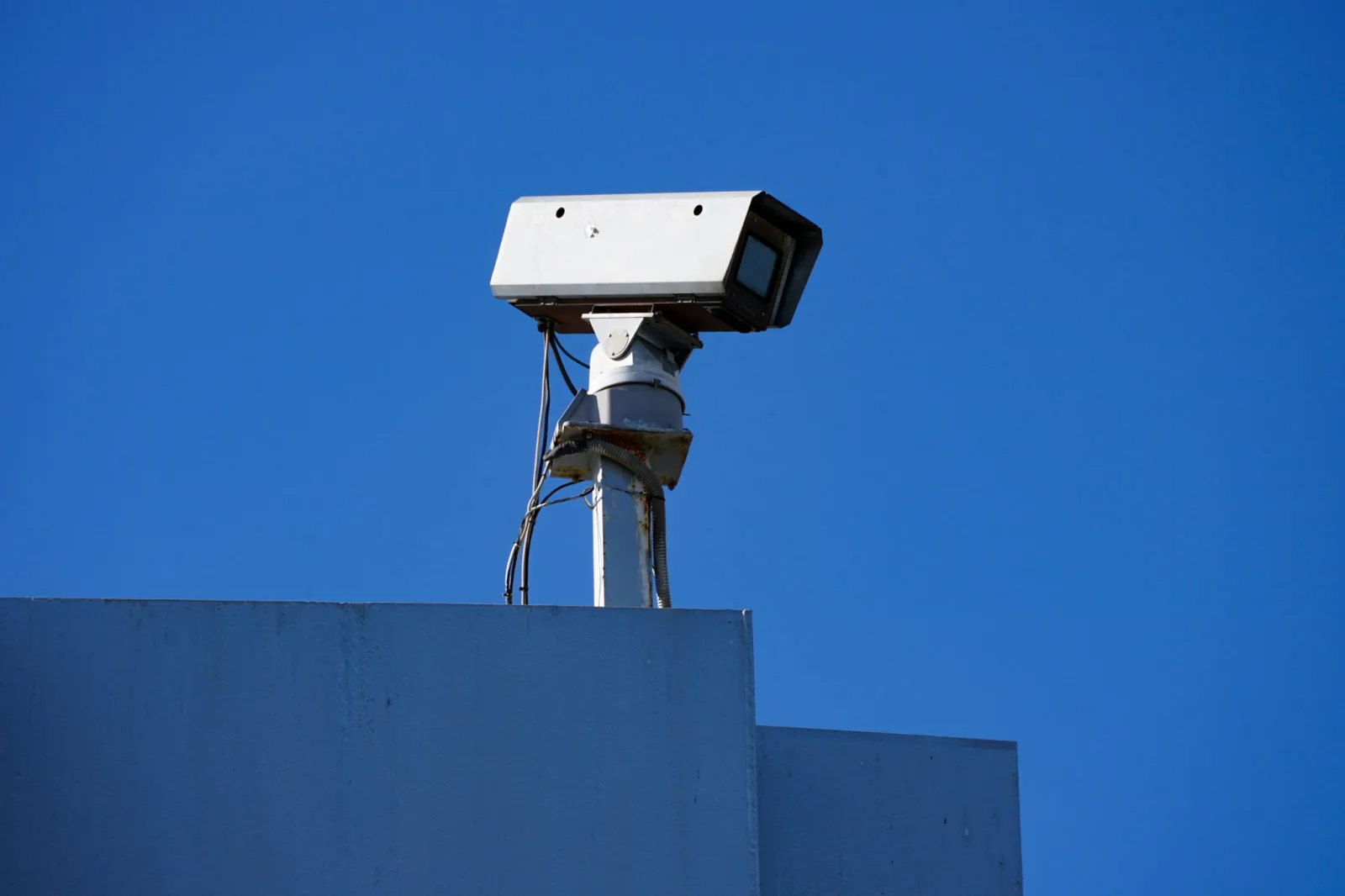
MapQuest enhances user awareness by adding a surveillance feature to locate Flock cameras in your area.
MapQuest's New Feature Explained
The MapQuest application has rolled out a fresh feature designed to help users monitor surveillance technology in their neighborhoods. By introducing a ‘surveillance layer’, the app allows people to pinpoint the locations of Flock license plate cameras that have been increasingly spotted across the United States.
How to Use the Surveillance Layer
To access this new feature, users need to tap the layer icon on the main navigation screen. A quick toggle will activate the surveillance layer, which then displays small red eye icons on the map representing the Flock cameras. Each of these icons includes a visual cone that indicates the camera's field of vision, providing valuable insights into which areas may be under surveillance.
Understanding the Data Behind the Cameras
Although MapQuest has not disclosed the exact methods used to obtain the camera locations, it’s likely the app leverages user-generated data sources, possibly including platforms like OpenStreetMap. These crowdsourced maps show where Flock and similar license plate readers are installed, suggesting that the information presented in MapQuest’s app is quite reliable. However, it is important to note that there’s currently no functionality allowing users to route their journeys to avoid these cameras.
Concerns About Surveillance
As concerns over privacy continue to grow, many users may find themselves surprised by the number of Flock cameras in their local area. For example, spotting over 30 cameras in a medium-sized town of around 80,000 residents can evoke discussions about surveillance practices and personal privacy. While some may not have thought much about these cameras previously, this new visibility can prompt community conversations about monitoring and privacy.
MapQuest's Resurgence
MapQuest, which was once the standard for giving directions online, has experienced a resurgence lately in a market dominated by competitors such as Google Maps, Waze, and Apple Maps. The company has made headlines recently for its commitment to keeping traditional geographical names, such as Lake Ontario, intact, which has attracted new users. Furthermore, the addition of compatibility with Android Auto signifies MapQuest's drive to remain relevant in today’s tech landscape.
Looking Ahead
If MapQuest continues to advance features focused on user privacy and community awareness regarding surveillance, it could emerge as a robust alternative for those seeking navigation solutions beyond mainstream apps. The introduction of the surveillance layer marks a strategic move towards responding to growing concerns about privacy, allowing users to make more informed decisions about their routes and the technology that tracks them.