
Rising Living Costs Impact Key Senate Race States Ahead of Midterms
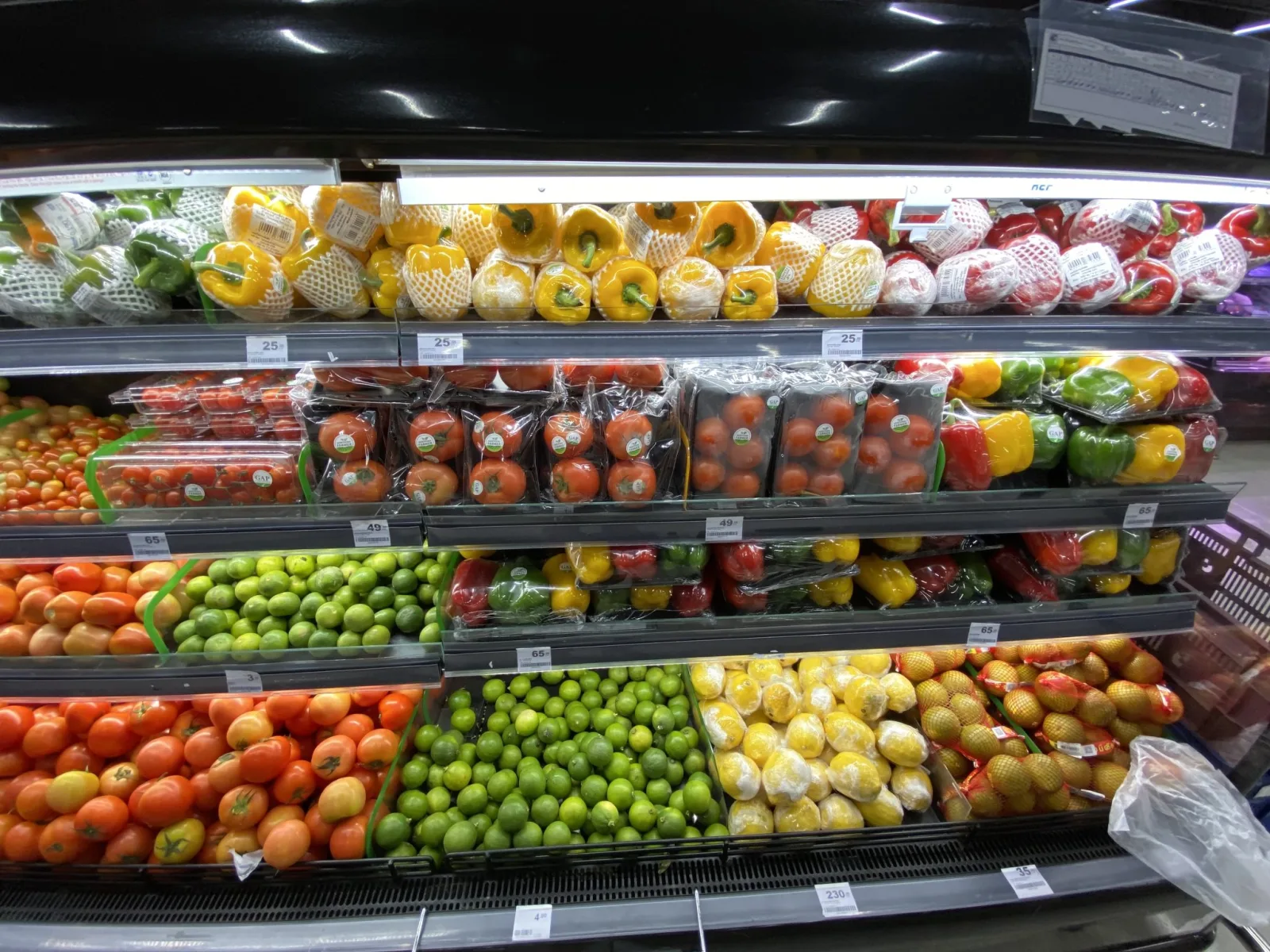
As Election Day approaches, voters in critical Senate race states are feeling the burden of rising gas and grocery prices, influencing their decisions at the polls.
As midterm elections draw near, voters are increasingly prioritizing their concerns about the economy, with rising living expenses taking center stage in key Senate race states. From surging gas prices to escalating grocery costs, many citizens are feeling the pinch.
Soaring Gas Prices Challenge Voters
In states with competitive Senate races, gas prices have risen significantly more than the national average. Since late February, when tensions escalated between the U.S. and Iran, the national price for a gallon of gas has jumped by approximately 40%. However, certain states have experienced even steeper increases:
- Iowa: Prices up nearly 55%
- Nebraska: Same increase of nearly 55%
- Kansas: An increase of 53%
These regions, which voted for Trump in 2024, now present opportunities for Democratic candidates like Josh Turek in Iowa and Adam Hamilton in Kansas as they campaign on affordability amidst rising gas costs.
Household Budgets Squeezed by Grocery Costs
It's not just at the pump that voters are feeling the dissatisfaction; grocery prices have also surged, particularly affecting those in Ohio. Cities like Cleveland, Toledo, and Cincinnati rank among the most burdened areas in the nation for grocery expenses. Voters like Peris Morgan from Michigan express frustration at the dissonance between rising prices and stagnant wages, stating, "Everything is high, and what people are being paid is not adding up."
Furthermore, the cost of transporting groceries has increased due to higher diesel prices and tariffs imposed during Trump's administration. The impact of these tariffs is especially noticeable in states crucial for upcoming Senate races such as Texas and Michigan, where voters are feeling the effects of heightened import costs.
Housing Market Challenges for Young Voters
The struggle extends beyond gas and groceries. The housing market is also proving challenging, with median home prices on the rise. For instance, September data shows the median home price in Alaska at $415,805, above the national average of $389,601.
- Akron, Ohio: Home prices surged by 22% over the last year.
- Cleveland, Ohio: Average prices climbed by 13%.
With higher borrowing costs, particularly a 30-year fixed mortgage rate hitting 7.27%, many younger voters—especially those in Gen Z and millennial demographics—are finding homeownership increasingly difficult to attain.
Wage Stagnation Exacerbates Economic Strain
While wages have seen a slight increase, they are not keeping pace with inflation, causing further economic strain. As of September, wage growth was at 3%, yet inflation was rising at 3.7%, meaning many Americans are experiencing a decrease in real income. This financial pressure is particularly pronounced in states like Nebraska and Iowa, where purchasing power has notably declined.
Jennie Larson, a single mother from Iowa, described her struggles at the polls, stating, "I work extraordinarily hard. The prices for essentials are unbelievable." Her story reflects a growing concern among voters as economic challenges take center stage in the upcoming elections.
As voters head to the polls on Election Day, they will carry with them the weight of rising prices and economic uncertainty, making the need for viable solutions from candidates a pivotal issue this election cycle.